Why a Custom Home Builder Delivers Long-Term Value
Selecting the Best Custom Home Builder: Essential Factors to Evaluate
Selecting the ideal home building contractor is a crucial decision that can considerably affect the success of a home project. Numerous elements, such as the contractor's track record, standing, and communication style, serve vital functions. Grasping one's own needs and aspirations is equally essential. As aspiring homeowners consider these aspects, they must also evaluate design flexibility and pricing transparency. All aspects merit careful consideration, inspiring an investigation of what genuinely defines a construction professional the right fit.
Exploring Builder Experience and Reputation
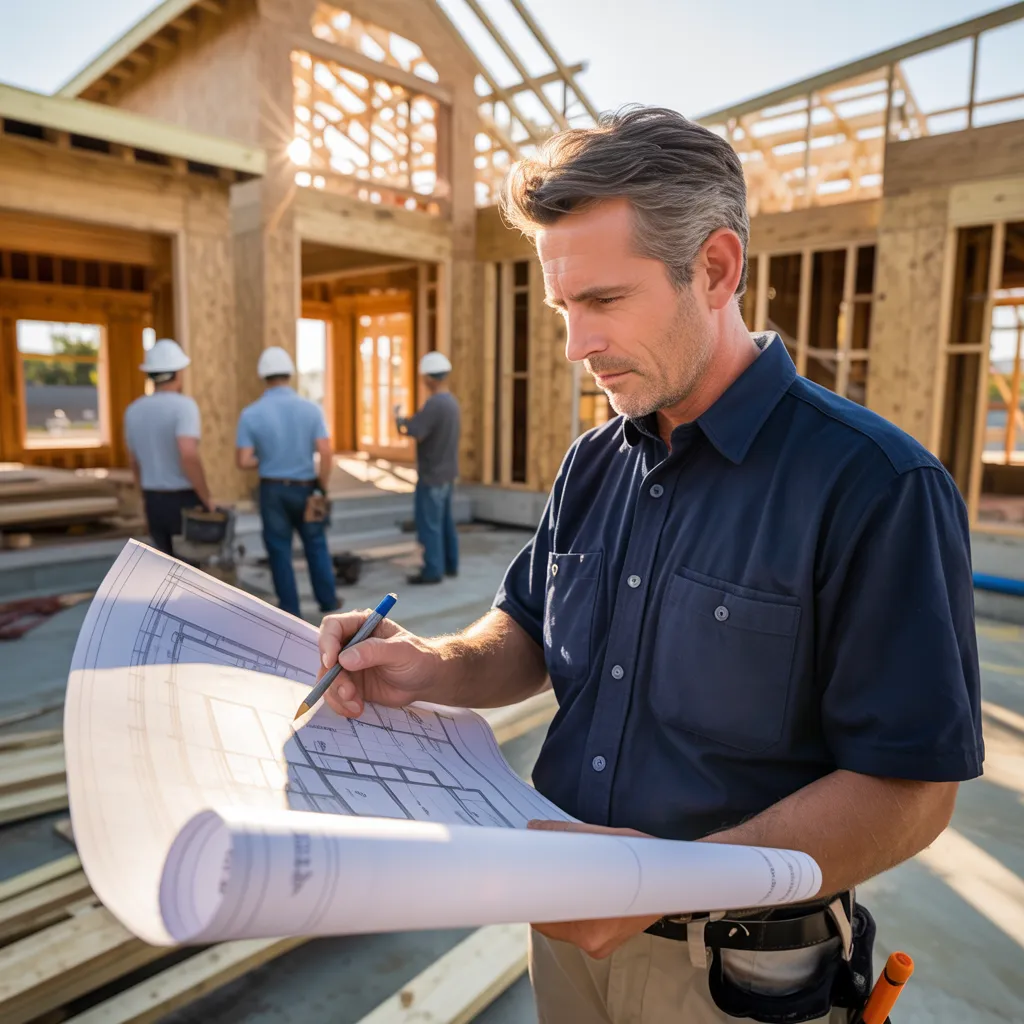
When selecting a custom home builder, examining their experience and reputation is vital. A builder's track record can provide valuable insights into their reliability and craftsmanship. Prospective homeowners should seek out builders with a background of accomplished builds that match their preferred aesthetic and standards. Reviewing online feedback and testimonials can highlight the feedback from former clients, identifying key strengths and areas for improvement.
In addition, it is worthwhile to check any professional certifications or memberships, as these typically reflect a devotion to quality benchmarks. Connecting with local property experts or viewing finished homes can also yield useful information on a builder's work. Obtaining facts about how long a contractor has operated can further guide your choice, as longevity often correlates with stability and experience. As a whole, careful examination of a contractor's history and credentials builds a dependable groundwork for a rewarding construction experience.
Comprehending Your Vision and Requirements
How can homeowners effectively articulate their vision and needs when starting on a custom home project? Clarity is essential. It is important for homeowners to first establish their lifestyle requirements, including family size, everyday habits, and long-term goals. Having this fundamental knowledge aids in shaping the overall design and function of the home. Tools such as inspiration boards or sketches can further help in communicating particular design preferences, spanning architectural designs to color selections.
Moreover, outlining spending parameters enables builders to provide workable solutions without compromising the homeowner's expectations. Ongoing evaluation on key objectives assures that the construction effort continues to meet evolving needs. Initiating transparent dialogues with all stakeholders can further refine concepts, ensuring all viewpoints are addressed. Above all, a well-articulated framework acts as a foundational roadmap, allowing building experts to turn creative visions into physical structures while nurturing a joint working arrangement across the construction process.
How to Measure Builder Communication and Team Dynamics?
Clear communication and collaboration are critical factors when choosing a custom home builder. Assessing early response times, reviewing communication approaches, and monitoring team interaction patterns can offer meaningful perspectives on a builder's overall efficiency. By concentrating on these critical factors, clients can more confidently identify whether a builder is the right fit for their construction goals.
First Response Time
Prompt communication acts as a key measure of a builder's expertise and collaborative approach. When evaluating custom home builders, prospective clients should pay close attention to initial response times. A builder who promptly acknowledges inquiries reflects appreciation for the client's time and an eagerness to move forward. Quick responses are often reflective of a well-organized team that prioritizes customer service. On the other hand, slow responses may indicate underlying problems within the builder's workflow, such as inadequate staffing or poor management practices. Future homeowners are advised to evaluate reply times during early communications, as this can provide valuable insights into the builder's overall approach and reliability throughout the home-building process.
Communication Style Assessment
How can clients evaluate a builder's communication approach and collaborative skills? Prospective homeowners can begin by evaluating initial interactions. Timeliness in replies and transparency in details provided are key signals. Scheduling a face-to-face meeting or phone call can further reveal the builder's communication approach. Noting how effectively the builder addresses client issues and explains remedies is crucial. Moreover, clients should question the builder regarding preferred communication platforms—including email, telephone, or face-to-face discussions—since these can impact overall project flow. Gathering testimonials or reviews from previous clients may also provide insights into the builder's effectiveness in maintaining open lines of communication. Ultimately, understanding these aspects helps guarantee a collaborative and transparent building process.
Team Collaboration Dynamics
Understanding a builder's way of communicating sets the stage for examining how teams work together. Effective collaboration copyrights on transparent and consistent dialogue across all team members, including suppliers, architects, and subcontractors. Prospective homeowners should examine how the builder facilitates dialogue during construction meetings, ensuring all voices are heard. Evaluating the attentiveness of the builder to inquiries and issues can demonstrate their dedication to collaboration. Moreover, reviewing past projects and client testimonials may offer a clearer picture of the builder's capacity to cultivate a collaborative working environment. An environment of collaboration often leads to seamless project progress, limiting disruptions and confusion. Ultimately, a builder's attitude toward collaboration can significantly influence the complete success of the personalized home construction journey.
Evaluating Design Flexibility and Customization Options
When choosing a custom home builder, examining design options and customization possibilities is important, as these elements heavily affect the overall fulfillment with the finished home. A builder's ability to adjust designs according to individual needs can substantially elevate the homeowner's satisfaction. Prospective clients should inquire about the variety of design choices available, including floor layouts, construction materials, and interior finishes.
Additionally, it is essential to examine how the construction professional includes innovative elements and up-to-date technologies, which can boost both performance and visual appeal. Prospective homeowners should also evaluate the constructor's completed projects, assessing how well they have handled customized demands in the past. Clear communication regarding creative visions and the ability to modify plans during the building process can further indicate a builder's commitment to customization. All things considered, thorough evaluation of these factors confirms that the chosen construction professional matches well with the homeowner's aspirations and individual needs.
Checking Licenses and References
Beyond licenses obtaining references from former clients is crucial. Pleased clients regularly share details about the builder's dedication, quality of work, and commitment to schedules. Property owners ought to ask for a portfolio of completed projects and contact these references for honest opinions. Web-based reviews and customer endorsements can complement this knowledge, delivering a more comprehensive picture of the builder's track record. Through carefully confirming credentials and references, homeowners can reach well-informed conclusions and ensure a productive collaboration throughout their custom home construction process.
How to Compare Pricing With Custom Home Builders
When assessing pricing from custom home builders, it is crucial to familiarise yourself with the various pricing structures they use. Seeking comprehensive quotes helps potential clients to review a detailed cost breakdown, ensuring transparency. Furthermore, comparing inclusions and exclusions can highlight considerable disparities in offerings among home builders.
Explore Pricing Structures
What is the best way to understand the different pricing models offered by custom home builders? Comprehending these models is essential for drawing accurate comparisons. Builders typically present pricing in multiple ways, such as firm-price agreements, cost-plus agreements, or design-build arrangements. A fixed-price contract provides a clear total upfront, limiting unforeseen expenses, while cost-plus arrangements invoice the true costs alongside an additional charge, possibly contributing to increased overall expenditures. Design-build arrangements consolidate the approach by merging design and building phases, but expenses can differ considerably according to the extent of work. It is essential to scrutinize what is included in each pricing model, such as budgets allocated for supplies and labor. By fully comprehending these models, prospective homeowners are better equipped to make sound decisions regarding their custom home project.
Request Detailed Estimates
Requesting thorough bids from custom home construction companies is vital for accurate price evaluation. Such quotes should outline charges covering permits, materials, labor, and any extra costs. By gathering multiple bids, prospective homeowners can detect discrepancies in pricing and understand the range of what each builder provides. It is important to guarantee that bids are derived from the same specifications to enable an precise evaluation. Construction companies may present a range of alternatives, from economical to luxury materials, influencing the final price. Future homeowners should also request information on payment schedules and any unforeseen expenses that may occur during construction. A detailed review of these bids can reveal not only monetary obligations but also the standard of integrity and competence of each construction company.
Compare Inclusions and Exclusions
What factors should homeowners consider when assessing the inclusions and exclusions offered by custom home builders? First, it is essential to identify what specific items are included in the base price, such as flooring, cabinetry, and fixtures. Homeowners should scrutinize the quality and brands of these inclusions, as they can significantly influence overall satisfaction and long-term value. Additionally, understanding exclusions is crucial; these are expenses that could emerge down the line, read about this such as upgrades or landscaping. Homeowners should request detailed lists from multiple builders to facilitate a clear comparison. Moreover, evaluating the customization options available within each builder's package can uncover possible hidden costs or savings. In the end, a comprehensive comparison can help homeowners arrive at a well-informed decision that aligns with their budget and expectations.
What You Can Expect From Warranties and Post-Construction Support
A feeling of assurance frequently comes with the decision to invest in a custom home, particularly when examining warranties and post-construction support. New homeowners should look for comprehensive warranties that address structural integrity, major systems, and materials used in construction. In most cases, these warranties span for a specific period, ranging from one to ten years, providing protection against defects and issues that may arise.
Post-construction assistance is just as crucial, as it offers homeowners valuable help after the project is concluded. Builders should offer a clear process for resolving problems, performing routine maintenance inspections, and managing necessary repairs. Clear communication is essential during this phase, as it builds a foundation of trust and makes sure that homeowners feel supported.
In the end, knowing the details surrounding warranty coverage and after-build assistance can greatly influence the satisfaction and confidence of a homeowner, making it an essential consideration when deciding on a custom home builder.
Frequently Asked Questions
How Long Does the Custom Home Building Process Usually Take?
Custom home construction usually spans between six months to over a year, influenced by elements including the complexity of the design, permitting requirements, weather conditions, and builder expertise, each of which can significantly impact the overall timeline.
What Are the Common Mistakes to Avoid When Choosing a Builder?
Frequent mistakes to steer clear of when choosing a builder include overlooking the importance of checking references, overlooking contract details, failing to communicate expectations, overlooking the standard of completed past work, and failing to assess the builder's familiarity with particular design styles or materials.
Can I Change My Design During the Construction Process?
Certainly, modifications to the design are possible during the construction phase, but these modifications might cause setbacks and increased costs. It's important to have open and direct communication with the contractor to gain a clear understanding of how any changes may affect the project schedule and budget.
What Funding Options Are Available for Custom Home Building Projects?
Various financing options exist for custom-built homes, including conventional mortgages, construction loans, and FHA loans. Aspiring homeowners should consider these pathways, carefully weighing interest rates, terms, and eligibility factors before arriving at a final decision.
How Do Builders Handle Unexpected Issues During Construction
Construction professionals generally handle unanticipated challenges in the course of construction by evaluating the problem, consulting with the property owner, and executing appropriate fixes. These professionals frequently modify project timelines and cost estimates in response, guaranteeing clear disclosure and preserving overall project quality from start to finish.